Read the Albany facade before choosing a wash method
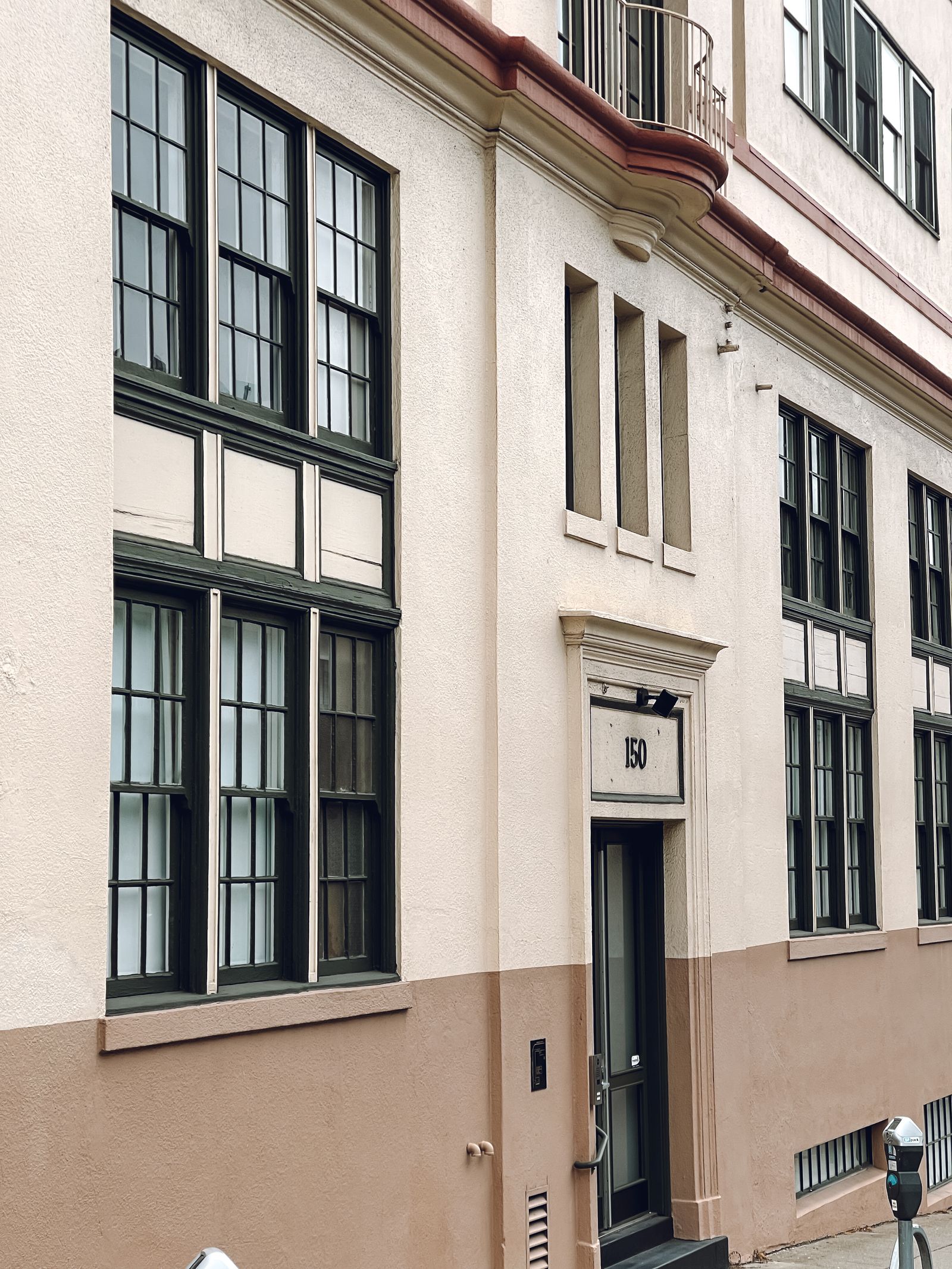
Albany-area commercial properties often combine brick, limestone, cast stone, concrete, painted block, metal panels, EIFS, storefront glass, canopies, sealants, and repaired areas. A historic Downtown elevation may have softer or weathered mortar beside newer windows and signs. A suburban office or medical building along Washington Avenue, Wolf Road, or New Scotland Avenue may combine EIFS, brick veneer, glass, landscaping, and patient or employee routes. A warehouse near Central Avenue, Route 9, I-87, I-90, or the port can have broad tilt-up concrete or metal walls, truck activity, dock splash, and exhaust film.
A dark streak can be algae-like growth, road salt, soot, pollen, bird residue, mineral scale, oxidation, or water tracking from a parapet, gutter, scupper, joint, or roof edge. Soft washing can fit compatible organic growth and some atmospheric film, but the proposal should distinguish routine washing from hard-water treatment, paint or coating work, masonry restoration, graffiti removal, and envelope investigation. A test area and dry-down review are useful where the coating history, deposit, or substrate is uncertain. Cracks, spalling, open joints, delamination, and active leaks should be documented for the appropriate repair professional.
- Separate brick, historic masonry, cast stone, EIFS, concrete, glass, metal, and painted zones.
- Identify salt, pollen, soot, organic staining, irrigation marks, oxidation, and roof-edge streaking.
- Define whether the priority is a tenant turnover, leasing presentation, entry refresh, or recurring care plan.
- Keep repairs, coatings, restoration, leak diagnosis, and envelope work outside routine washing.
Coordinate Downtown, Arbor Hill, and the Washington Avenue corridors
Downtown, the Empire State Plaza area, Arbor Hill, Sheridan Hollow, and the warehouse district can put cleaning beside offices, apartments, restaurants, hotels, government operations, sidewalks, bike movement, and event traffic. A property manager may need State Street or Broadway access maintained while another elevation is controlled. Review bus stops, accessible entrances, outdoor seating, deliveries, parking meters, event calendars, security requirements, and tenant notices before setting a work window. A phased handback can be more practical than closing every face at once.
The Washington Avenue, Western Avenue, New Scotland Avenue, and Central Avenue corridors bring offices, colleges, hospitals, clinics, retail, and mixed-use properties with different peak periods. A medical building needs clear patient, ambulance, accessible, and air-intake routes. A campus or office property may need work scheduled between class, shift, or meeting activity. Along Wolf Road, Route 9, and Route 20 in Colonie and the North Albany area, retail entrances, parking aisles, food-service areas, and delivery lanes can be the most visible and sensitive parts of the scope. Name those priority zones in the quote rather than treating every elevation as interchangeable.
Industrial and logistics sites near the Port of Albany, Watervliet, Menands, the Port of Coeymans, and the I-787, I-90, and I-87 approaches may have broad staging but active trucks, secured gates, rail interfaces, utility corridors, dock schedules, and neighboring parcels. Map hose crossings, lift or drone areas, trailer movement, and the final inspection path with the operations contact. A dock wall can need a different treatment from a customer entrance or an upper parapet.
Plan for winter salt, freeze-thaw, pollen, and humid summers
Albany winters leave more than visible dirt. Plowed snow and deicing materials can splash onto lower masonry, concrete, curbs, garage entries, and loading areas. Repeated wetting and freezing can open small defects or make a weak joint more obvious. Spring brings pollen, leaf residue, and runoff from roofs and paved areas; summer humidity can support biological staining in shade. A lower wall beside a parking lot may need a different expectation from a shaded north elevation or a protected upper facade.
Weather changes the work plan. A cold surface, overnight frost, rain, high humidity, or a fast-moving spring shower can affect dwell, rinse, drying, pedestrian safety, and closeout review. Wind can move spray, hoses, and pollen and can expose an adjacent entrance or parked vehicle. Schedule decisions should use observed surface conditions as well as the forecast. If a recurring streak follows a thaw, gutter overflow, downspout, failed flashing, or roof-edge joint, cleaning can improve the appearance while the source still needs repair.
The quote should record weather pause triggers, temperature assumptions, protected surfaces, and the expected return visit or handback process. That is especially important for a property preparing for a spring opening, a leasing tour, a tenant move-in, or a summer event. A clean wall that cannot be safely returned to service is not a finished commercial scope.
Treat Hudson, Patroon Creek, and storm-drain pathways as part of the scope
Albany properties can drain toward curb inlets, combined or separate urban drainage systems, landscaped depressions, parking-lot catch basins, Patroon Creek, the Hudson River, or neighboring parcels. A visible storm drain is not automatic permission to send wash water into it. Soil load, product choice, rinse volume, slope, and the property or municipal requirements determine which controls are appropriate. The facilities contact should identify drains, low points, basement entries, garage ramps, detention features, and areas where snowmelt already concentrates water.
Before setup, confirm the water source, hose route, rinse assumptions, plant and soil protection, air intakes, doors, electrical equipment, vehicles, and nearby tenants. Depending on the site, controls may include diversion, collection, recovery, filtration, reduced rinse, plant protection, disposal, or coordination with the responsible authority. Water efficiency is useful when it preserves the specified finish and protection plan; a low-pressure label by itself does not describe runoff performance. Keep salt piles, loading residues, leaves, and other site debris from being pushed into a drain during preparation or closeout.
Make access and occupied-property protection concrete
Access in the Capital Region can range from a tight Downtown sidewalk to a large suburban parking field or an active distribution yard. Identify staging, lifts, poles, hoses, barriers, spotters, accessible paths, fire lanes, doors, cameras, signs, air intakes, and emergency routes. Washington Park and Center Square properties may have little room for equipment and high pedestrian visibility. A Colonie retail center may have more pavement but a constant flow of customers, buses, carts, and deliveries. A hospital or school cannot use the same pause and handback assumptions as an empty office.
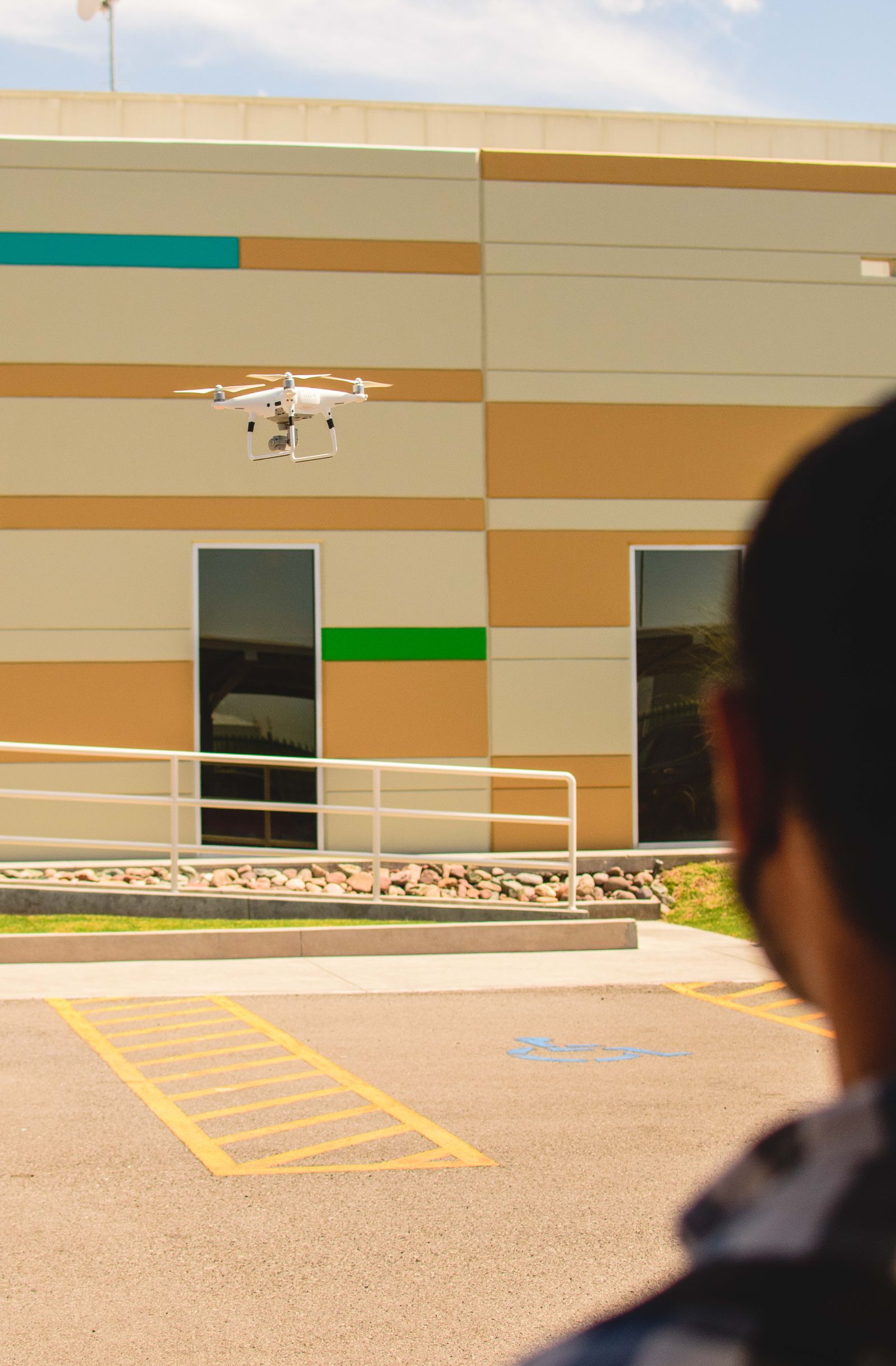
Drone assistance may be considered for suitable upper elevations when airspace, wind, stand-off distance, visual control, recovery space, public separation, facade compatibility, and water management all work together. It does not replace close inspection, hand detailing, contact glass cleaning, or repair work, and applicable FAA rules still govern commercial operations. If wires, gusts, people, traffic, neighboring roofs, or drainage cannot be controlled, a water-fed pole, lift, ground, hand-detail, hybrid, or rescheduled approach may be more appropriate.
Request an Albany quote that names the next decision
A useful proposal should identify the elevations, materials, deposits, method, access, water assumptions, protection, work hours, runoff controls, weather limits, closeout photos, and exclusions. It should say whether the target is salt splash, spring pollen, organic staining, traffic film, a public entrance, a loading face, or a leasing-ready appearance. Price broad facade washing separately from glass polishing, mineral removal, oxidation treatment, construction residue, graffiti, coatings, masonry repair, and leak investigation.
Send the property address, wide and close photos, approximate height, known materials, priority elevations, visible defects, desired timing, water access, drainage information, and restrictions involving tenants, patients, students, guests, deliveries, events, security, or production. Include prior repair notes and any concern about fragile masonry, failing sealants, or sensitive equipment. To discuss an Albany property, call +1 239-351-2897, email contact@dronebuildingcleaners.com, or use the quote form. The goal is a clear scope that tells the facilities team what can be cleaned, what may remain, and which condition belongs with another trade.