Understand what soft washing can and cannot solve
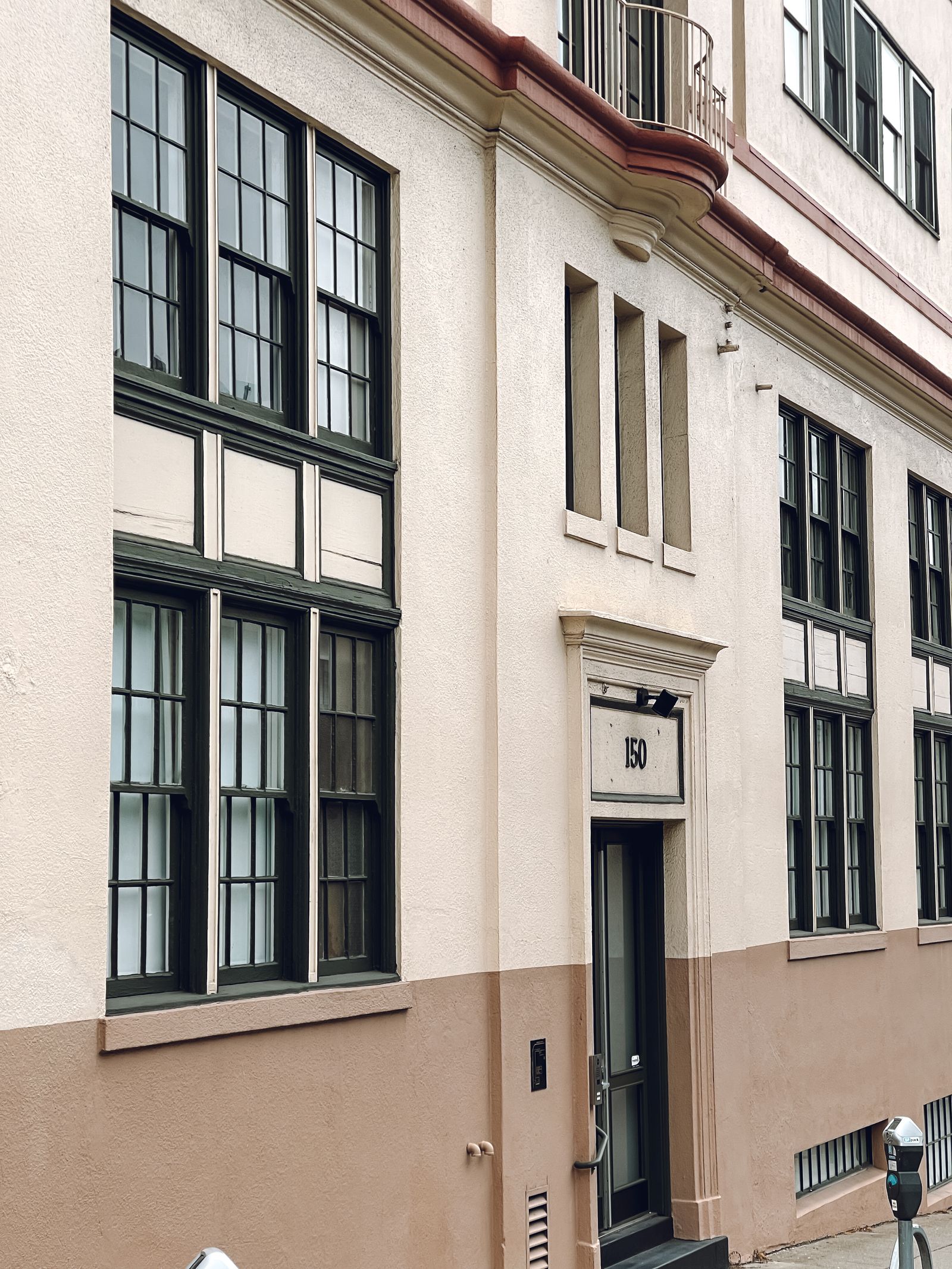
Soft washing generally combines a compatible cleaning solution, controlled dwell, and a lower-pressure rinse for suitable biological or atmospheric soil. It may fit some algae-like staining, pollen residue, bird residue, and surface film on compatible brick, concrete, painted block, EIFS, and other materials after evaluation. Albany's conditions make diagnosis important: a white lower-wall mark may be salt, a black streak may be soot or a wet joint, and a greenish area may reflect shade and moisture rather than a single removable deposit.
Chemistry needs its own controls. Products can affect plants, metals, glazing, sealants, coatings, and runoff. Cold surfaces, frost, rain, and high humidity can change dwell and drying, while wind can move spray and pollen. The phrase low pressure does not explain the full process. Ask about test areas, chemical compatibility, rinse, plant protection, air intakes, entrances, water assumptions, and what happens if a deposit is mineral, oxidized, embedded, or tied to a building defect.
- Match chemistry and rinse to the substrate and deposit rather than selecting a package by name.
- Review plants, glazing, metals, coatings, joints, occupants, water, and runoff together.
- Use a representative test area when a historic surface, coating, repair, or stain cause is uncertain.
- Separate cleaning from restoration, repairs, leak diagnosis, and coating replacement.
Know where controlled pressure helps and where it harms
Controlled pressure can have a place on durable, compatible concrete, selected curbs, service aprons, and loading areas when the operator controls pressure at the surface, flow, nozzle, distance, angle, overspray, and runoff. A number printed on a proposal is not enough to predict the result. The same machine setting can behave differently on a broad slab, a soft mortar joint, a patched wall, a painted block surface, or a narrow architectural detail.
Excess force can etch concrete, remove mortar, lift paint, disturb sealants, mark EIFS, expose aggregate, or push water behind panels and openings. Older Downtown masonry and a newer suburban facade can sit on the same contract while needing different methods. Pressure also may not solve mineral scale, oxidation, embedded traffic film, failing coating, or a recurring roof-edge stain. A test area and method map are more informative than the phrase power washing alone.
- Reserve pressure for surfaces and zones evaluated for that process.
- Treat pressure, flow, distance, nozzle, and angle as a coordinated operating set.
- Protect mortar, joints, coatings, glazing, openings, landscaping, vehicles, and occupied paths.
- Use contact detail or specialty treatment when a deposit is bonded or chemically different from routine soil.
Compare Albany property types and access realities
A Downtown hotel, office, or government-adjacent building may need a phased plan around State Street sidewalks, bus movement, event traffic, historic masonry, storefront glass, and public entrances. A hospital or clinic in the New Scotland Avenue area needs patient, ambulance, accessible, and air-intake protection. A campus or office near Western or Washington Avenue may need work between class, shift, or meeting peaks. A Wolf Road, Central Avenue, or Route 9 retail property may prioritize customer doors, signs, parking-side lower walls, and delivery routes.
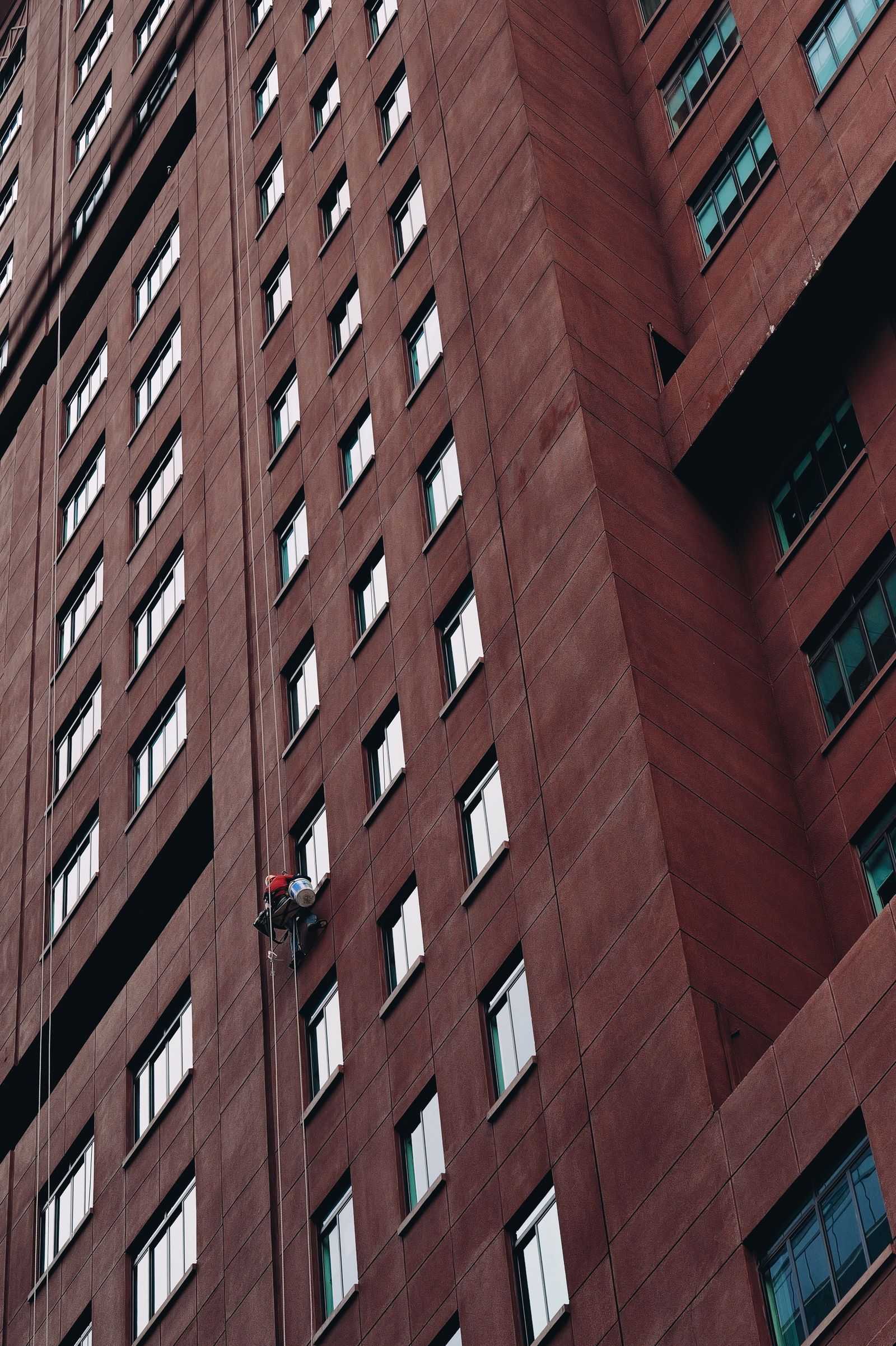
A Port of Albany, Menands, Watervliet, or I-787 logistics site can offer broad staging while adding trailers, rail interfaces, secured gates, docks, overhead utilities, and production schedules. The method may change by zone: soft washing for compatible upper-wall organic film, controlled pressure for a durable service apron, pole work for selected glazing, and hand detail around signs, doors, canopies, and architectural edges. A drone may assist on an appropriate upper wall, but it does not replace close condition review or hand-finished glass.
The business result also matters. A hotel before a conference, a clinic during normal appointments, a retailer before a seasonal opening, and a warehouse during active shifts have different priorities. The best method is the one that reaches the required elevations with the agreed protection, access, finish, and handback, not necessarily the one that sounds most powerful or most gentle.
Use season and water movement in the decision
Albany's road salt and snowmelt make lower elevations a different cleaning problem from upper walls. Freeze-thaw can expose weak mortar and joints, spring pollen can settle on damp or shaded surfaces, and humid summer weather can support biological staining. A cold wall may not dry like a warm west-facing wall. Rain, frost, wind, and rapid weather changes affect dwell, rinse, pedestrian safety, and closeout. The contractor should explain weather limits and pause triggers before production begins.
Runoff deserves equal attention. A property near an urban inlet, Patroon Creek, a Hudson-facing slope, a parking catch basin, or a basement ramp needs its water path understood. New York DEC stormwater guidance is a useful reference, but the actual site, products, soil load, slope, and discharge requirements control the plan. Diversion, collection, recovery, filtration, reduced rinse, plant protection, disposal, or authority coordination may be appropriate. Low pressure can reduce splash, but it does not by itself make discharge acceptable.
Look for the source of recurring staining. A clogged gutter, failed downspout, roof-edge defect, leaking joint, salt storage area, irrigation spray, or damaged flashing can return a mark after either method. Cleaning should leave the facilities team with a clear note about what was addressed and what needs a roofer, mason, contractor, or envelope specialist.
Make access, protection, and aerial assistance specific
Method selection depends on how the crew can safely reach the work. Identify staging, lifts, poles, hoses, barriers, spotters, accessible paths, fire lanes, doors, cameras, signs, air intakes, and emergency routes. A tight Center Square sidewalk, a busy Colonie parking field, and a secured port yard have different constraints. Ask how the work zone is separated, who can pause production, how customers or patients are routed, and what the closeout inspection requires.
Drone assistance can support suitable broad upper elevations when wind, stand-off distance, visual control, recovery space, public separation, airspace, facade compatibility, and water management are all adequate. It remains subject to FAA requirements and does not guarantee detail cleaning, uniform contact work, or repair discovery. If a roof, wire, neighboring building, gust, person, vehicle, or drainage path cannot be controlled, a lift, pole, ground, hand, hybrid, or rescheduled plan may be the responsible choice.
Ask for a method map before approving the Albany scope
A strong proposal should identify which elevations receive soft washing, controlled pressure, contact detail, or another method. It should name the materials and deposits, test area, access equipment, protection for openings and landscaping, work hours, runoff assumptions, weather contingencies, closeout standard, and exclusions. Request separate pricing or notes for glass polishing, mineral removal, oxidation, construction residue, graffiti, coatings, masonry repair, and leak investigation.
Provide photos of the main entrance, a shaded wall, a salt-affected lower elevation, roof edge or gutter, loading area, windows, parking-side drainage, and any fragile or repaired surface. Include approximate height, water source, drains, tenant or patient movement, truck schedules, security, events, and the desired result. To discuss an Albany property, call +1 239-351-2897, email contact@dronebuildingcleaners.com, or use the quote form. The right answer may be one method or a carefully phased combination, but the property team should understand why each zone receives it.